
Building Autonomous Intelligence with Multi-Agent Systems and MCP
AI is shifting from isolated model intelligence to fully autonomous, context-aware systems powered by multi-agent coordination and semantic interoperability. At the centre of this shift is the Knowledge Context Protocol (MCP)—enabling agents to reason, plan, and act in a shared, dynamic environment.
Architecting the Future with MCP – From AI Agents to Interoperable Intelligence
AI is no longer confined to individual assistants—it is becoming a distributed, interoperable system of intelligent agents. At the pinnacle of this transformation is the Knowledge Context Protocol (MCP), enabling cross-agent collaboration, universal context sharing, and domain-agnostic intelligence orchestration.
AI Evolution – From LLMs to Multi-Agent Systems to Knowledge Context Protocol (MCP)
AI systems are evolving from static, text-only assistants into dynamic, autonomous multi-agent ecosystems—culminating in the Knowledge Context Protocol (MCP) for universal context sharing and semantic interoperability.
MCP: The Future Framework for AI Agents and Intelligent APIs
Multi-Agent Collaboration Protocol (MCP) is not a protocol enhancement—it is an architectural inflection point redefining how AI agents and systems negotiate, interpret, and act across distributed software environments in real time.
MCP (Model Context Protocol) — The Infrastructure Standard for Modular AI Agents
Model Context Protocol (MCP) introduces a standardized, extensible architecture that replaces brittle agent design with plug-and-play modularity—enabling scalable GenAI systems across models, tools, and workflows.
Model Context Protocol – The USB-C Standard for LLM-Agent Interoperability
Model Context Protocol (MCP) is to agent infrastructure what USB-C is to hardware—a universal interface standard that enables AI agents to operate modularly, exchange context fluidly, and interact with tools without hardcoded logic.
MCP – Model Context Protocol for Agentic AI Interoperability
Prompt engineering ends where protocols begin. MCP delivers structured interoperability—fueling scalable agent ecosystems with clarity, security, and context fidelity.
This Week in AI – Multi-Agent Collaboration, Personalized AI, Startup Enablement

Agentic AI is rapidly transitioning from concept to infrastructure—with platforms like Google’s ADK, OpenAI’s BrowseComp, and Adobe’s experience agents setting the stage for next-gen AI ecosystems that can think, act, and collaborate across domains.
Real-World Applications of MCP (Multi-Component Pipelines)

Multi-Component Pipelines (MCP) have evolved from a conceptual connector to a critical enabler for real-world AI operations—bridging natural language commands with execution across diverse environments such as IDEs, voice platforms, browsers, databases, and design tools.
Demystifying Multi-Component Pipelines (MCP) in AI Architectures
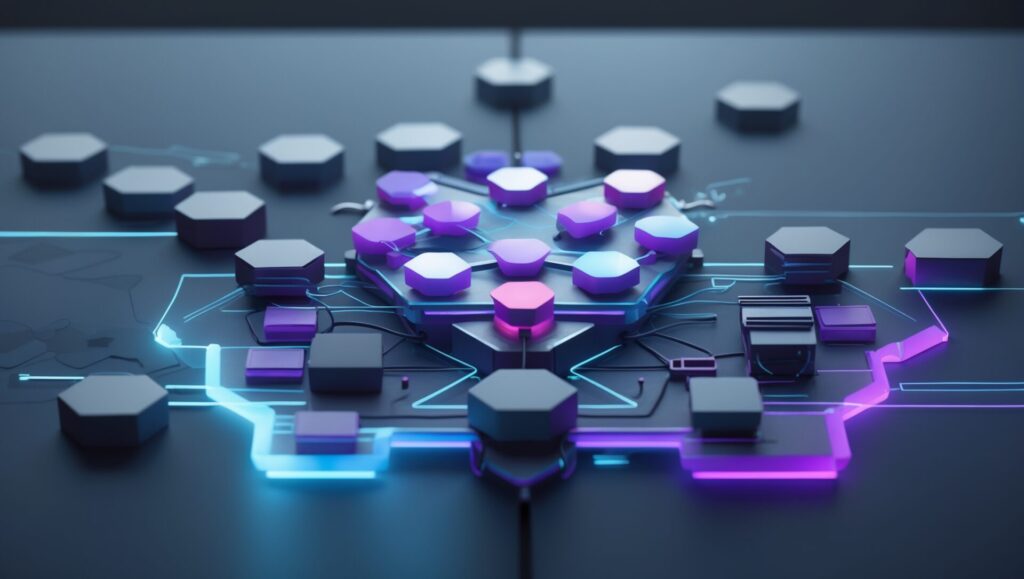
Multi-Component Pipelines (MCP) don’t invent new capabilities—they unlock structure, reusability, and clean orchestration across AI agent systems. By offering a standardized framework, MCP empowers startups and SMEs to scale AI initiatives faster, without constantly rewriting logic or duplicating effort.